Addictive Keys 1.7.3 (macOS)
One download for Apple Silicon and Intel. Opens the install steps and mirrors.
- Version
- 1.7.3
- Size
- 4.2 GB
- Earliest macOS
- 10.13 or later
- CPU type
- Universal
- Updated
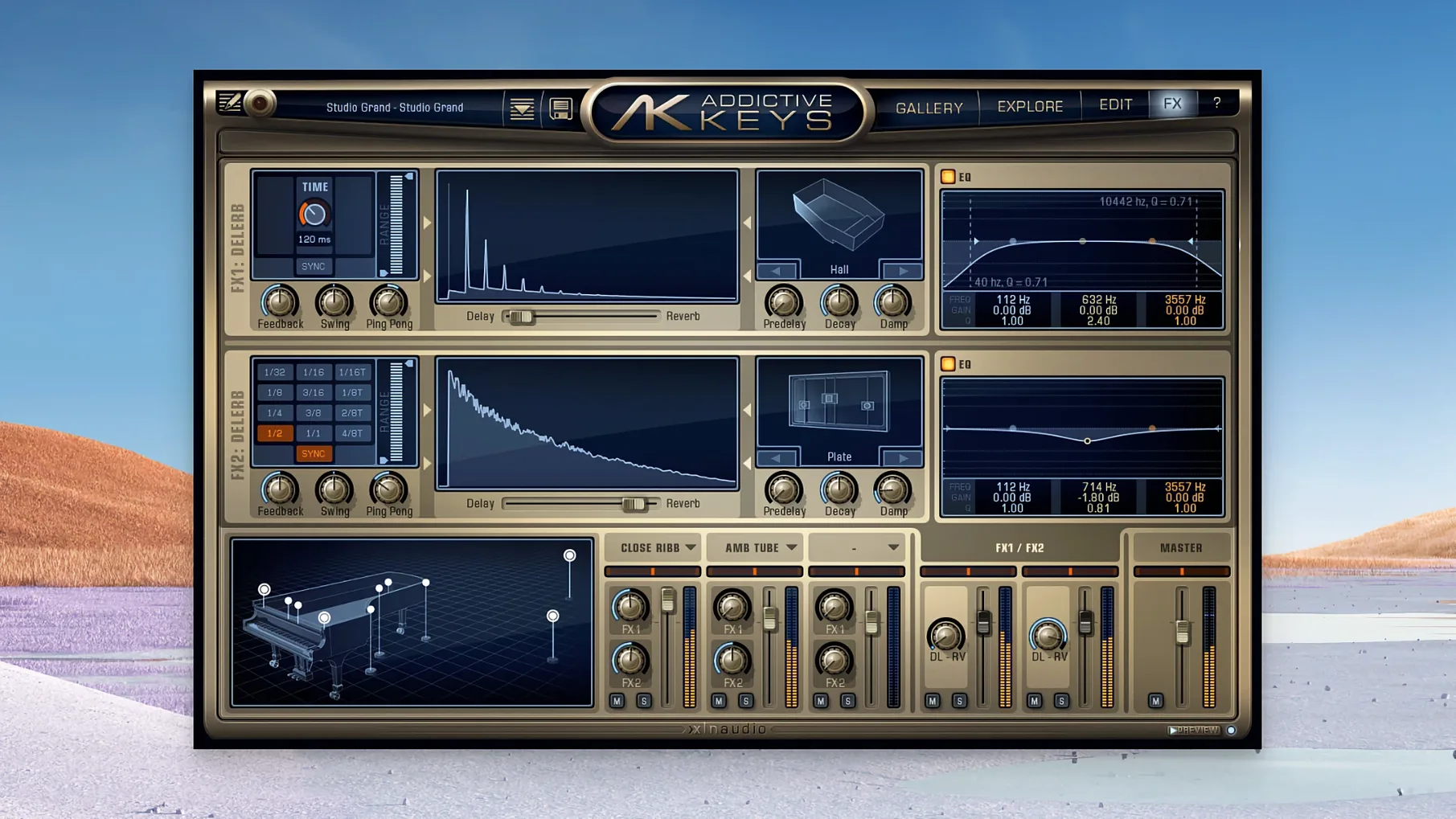
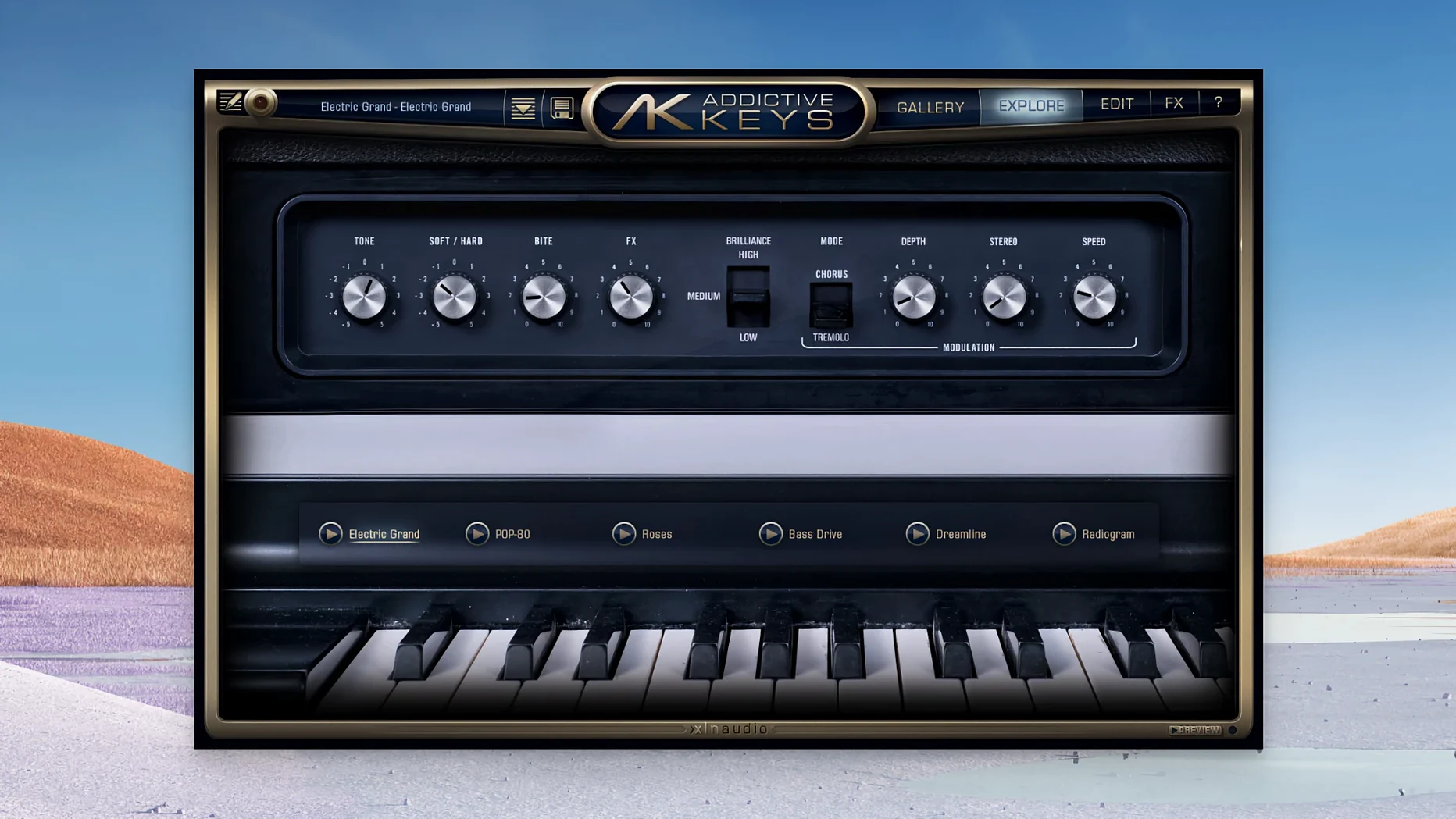
A producer opens a session, drops Addictive Keys onto an instrument track and gets a playable electric grand with no mousing around. The plug-in comes in VST, AU and AAX formats, so it slots into Logic, Ableton Live, Pro Tools and most other DAWs. A standalone app is included if you want to play without a host.
Songwriters get a Rhodes or CP-80 without hardware
- Songwriters who need a Rhodes or CP-80 sound without patching a hardware stage piano.
- Intel and Apple Silicon Macs — the plug-in ships as a universal binary.
- Getting a finished tone straight away, courtesy of production-ready presets.
Requires macOS 10.13 or later, English only
- Requires macOS 10.13 or later.
- Interface and manual are English only.
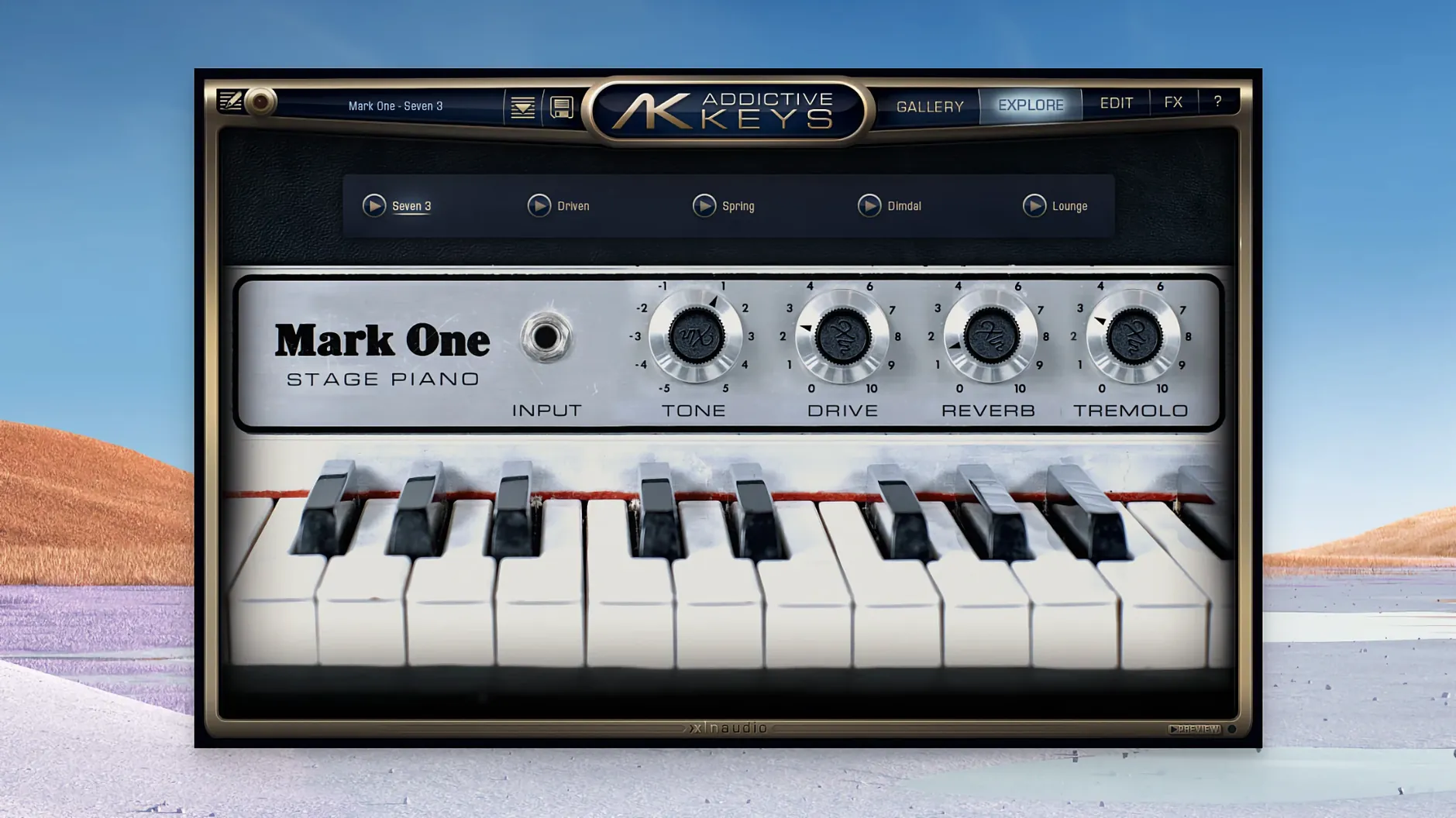
- The Mark One instrument models a Rhodes Mk. 1 stage piano; the Electric Grand models a CP-80 — the character is baked in, not a blank-slate synth.
Full Apple Silicon support in version 1.7.3
Version 1.7.3 is the current release. The updates in this version are largely about compatibility and reliability. The main change for everyday use is full support for Apple Silicon Macs (ARM) alongside the existing Intel version. This means it runs natively on M1, M2 and M3 generation Macs without needing Rosetta translation. The installer now handles both architectures in one package, so there is no separate download to track.
The plug-in formats were also updated. VST3 support was added, which matters for DAWs that have moved away from older VST2. AAX format is included for Pro Tools users. The AU version remains for Logic and other AU-native hosts.
The instruments mount faster when you add them to a project, which helps when you are cycling through presets during a writing session.
Background loading lets you switch presets without clicks
Addictive Keys has a few details that are not obvious from the main interface.
- Preset switching without clicks. The plugin loads the next sound in the background while the current one plays. You can audition presets in a running session without gaps or pops.
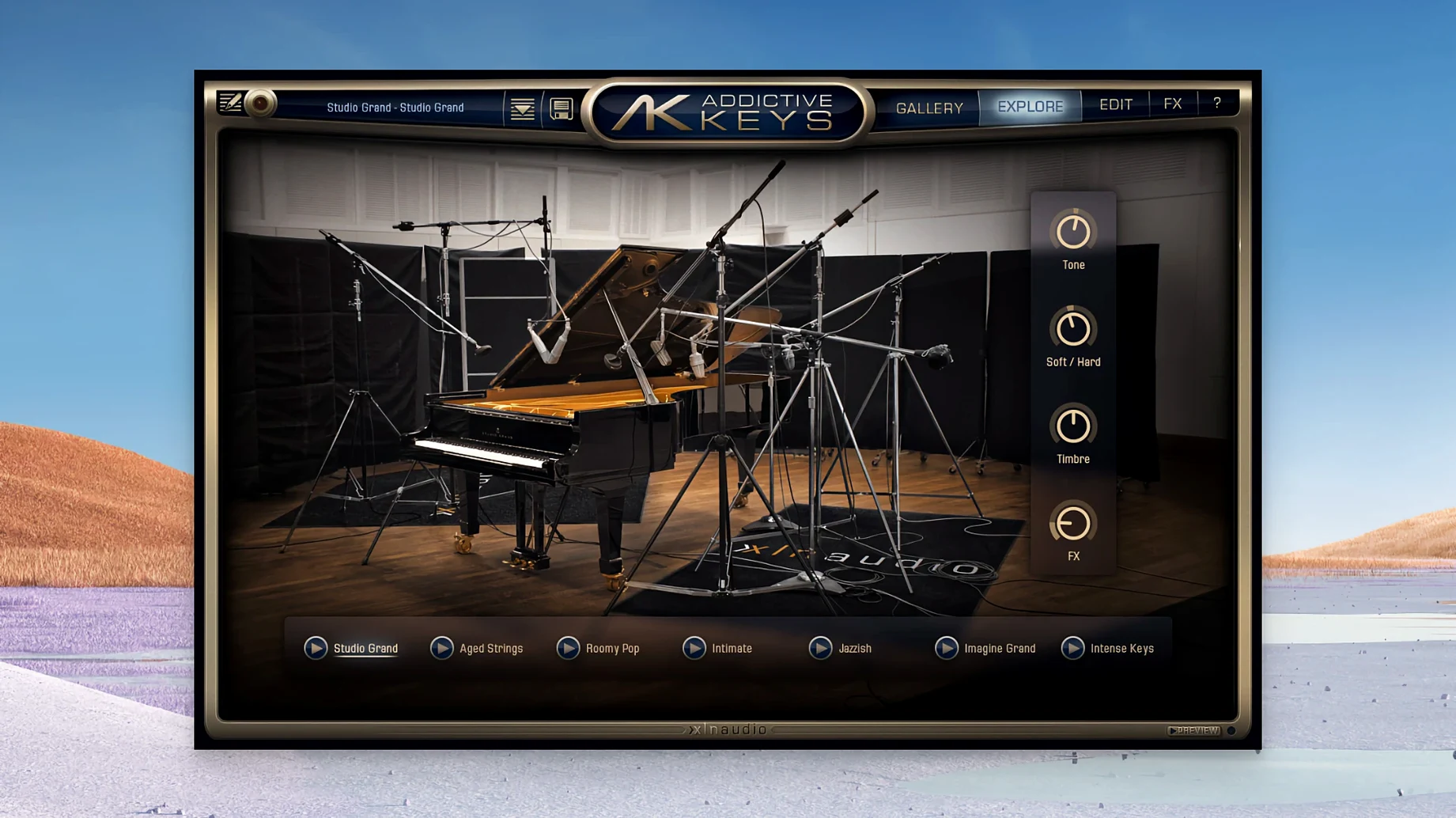
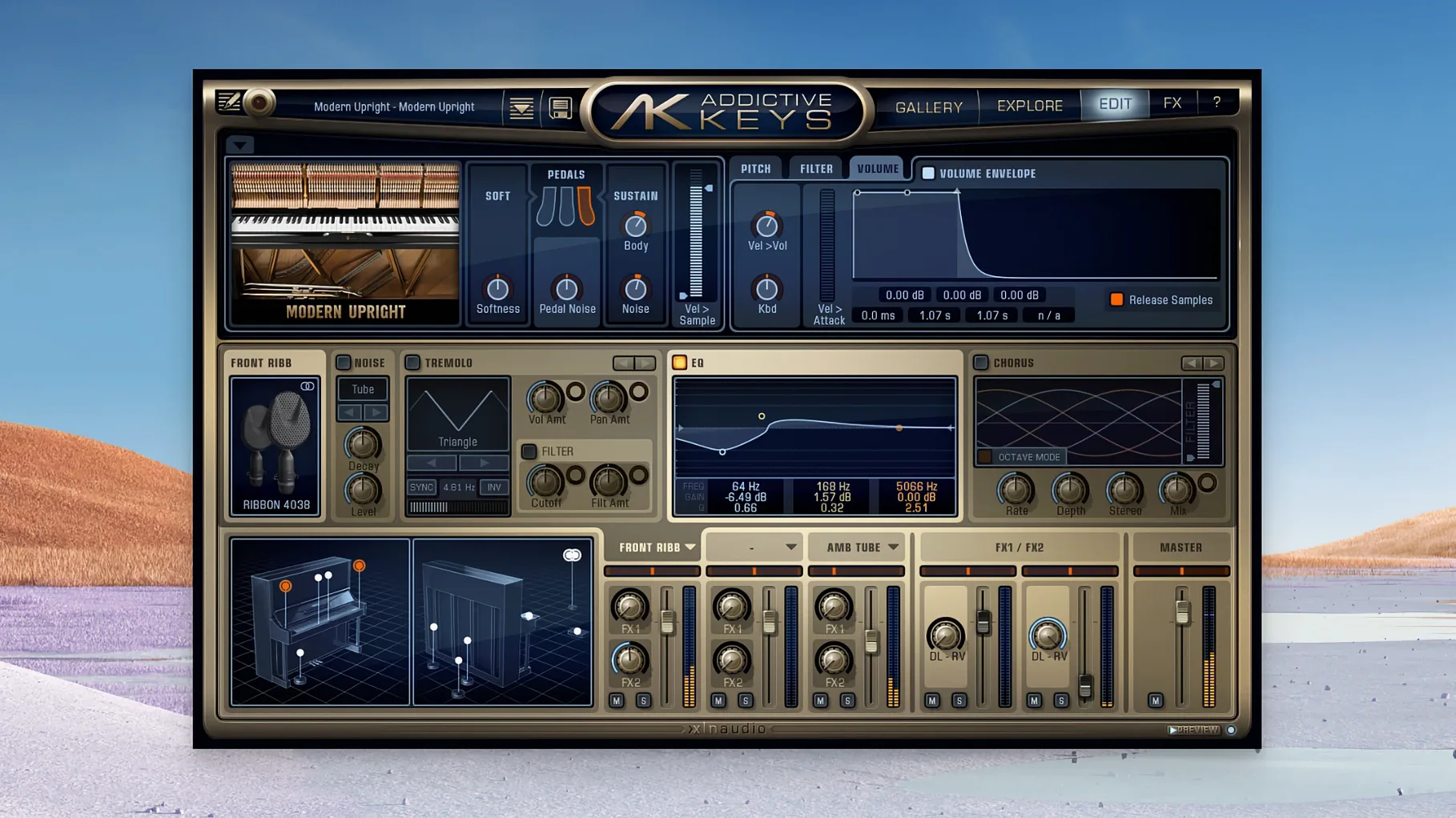
- Velocity layers are pre-mapped. The acoustic pianos (Studio Grand and Modern Upright) have multiple velocity samples per note. You do not need to do anything to enable them — they respond automatically to your MIDI velocity input. Beginners often miss this and play everything at the same dynamic level.
- Release samples are active by default. The key-up and pedal noises are part of the core patches, not a separate toggle. This gives the sound more natural decay without requiring extra setup.
Standalone mode needs a MIDI controller, not a general-purpose synth
Most issues with Addictive Keys come from not reading the manual section on standalone mode, or from expecting the plug-in to behave like a general-purpose synth.
- Using standalone mode without MIDI routing. The standalone version needs a MIDI controller connected directly to your Mac. If you launch it expecting it to listen to your DAW's MIDI output, nothing happens. You either run it as a plug-in inside the DAW, or connect a keyboard to the standalone app.
- Ignoring the architecture for older Macs. The universal binary works on both ARM and Intel, but if you are on macOS 10.13 or 10.14 (High Sierra and Mojave), you need to make sure your DAW is also 64-bit and up to date. Some hosts from that era only support VST2, not VST3.
- Loading all four pianos at once. Each instrument has a substantial sample library. Loading the Complete Collection in one project can use several gigabytes of RAM. The plug-in loads quickly per the manual, but opening a session with four instances of Addictive Keys on a machine with 8GB of RAM will cause performance problems. Use one instance and bounce the part if you need more than one piano per project.
- Searching for the "electric grand" in a synth category. The Electric Grand models a CP-80, which is a real electromechanical piano, not a subtractive synth patch. Beginners looking for a synth pad or FM sound will not find it here.
No “what's new” for 1.7.3. The release line gave nothing I could check, and I will not stretch it into a changelog.
- macOS 10.13 or later
- Apple Silicon or Intel Mac
Questions people ask
Does Addictive Keys run natively on Apple Silicon Macs?
Yes. Version 1.7.3 supports ARM and x86 64-bit architectures on macOS 10.13 and up.
Staffroom comments 0
Sign in or create an account here to leave a comment.
Nobody has commented on this one yet.
Other VST Plugins tools
All VST Plugins tools-
 Ample Sound Ample Guitar LP III
4.0.1
9.2 GB
VST Plugins
-
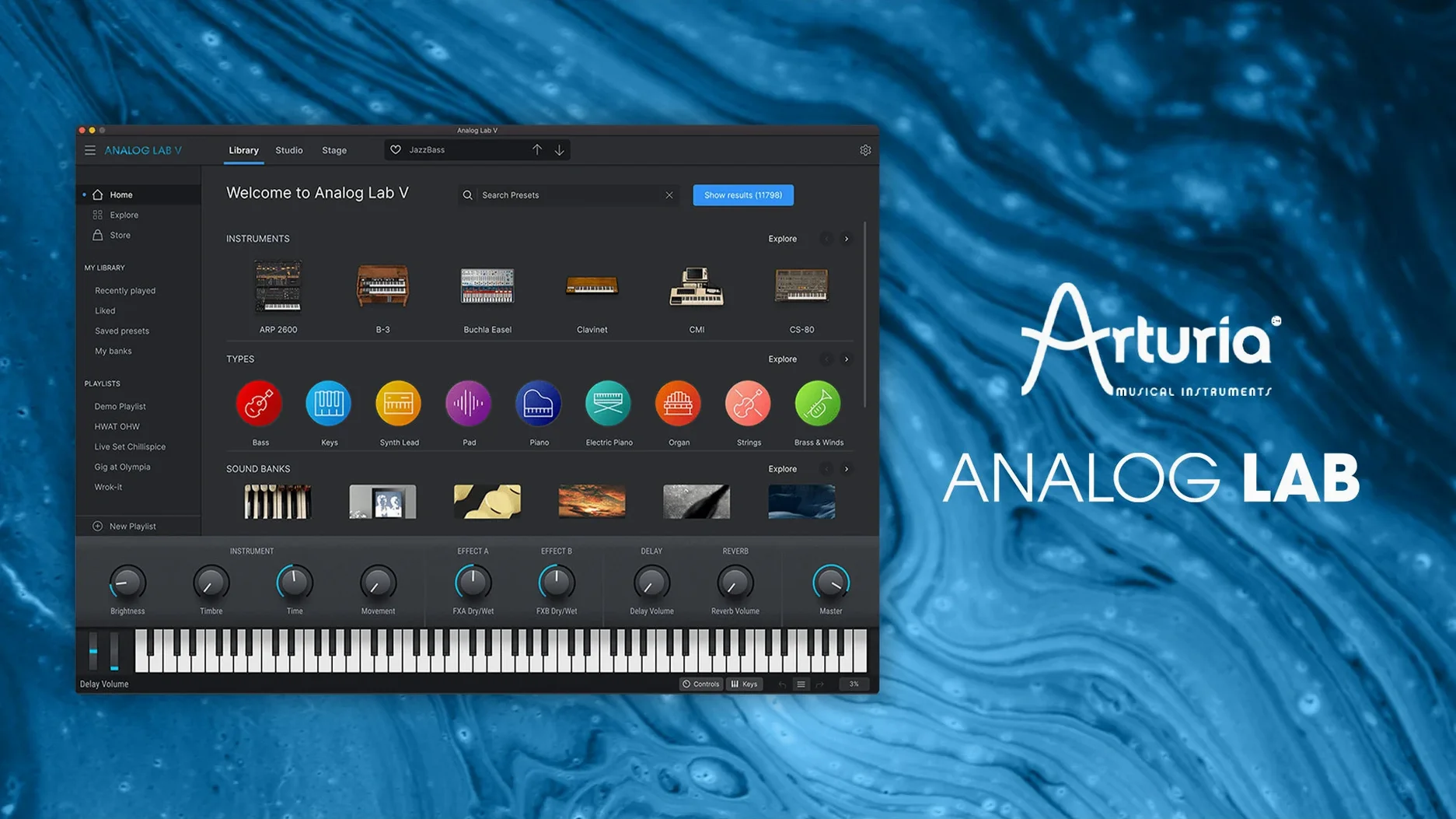 Arturia Analog Lab V
5.12.6
2 GB
VST Plugins
-
 Arturia Efx AMBIENT
1.0.0
285 MB
VST Plugins
-
 Arturia FX Collection
2026.02
16.1 GB
VST Plugins
-
 Bogren Digital Ampknob BDH 66o6 Plus
1.2.118
253 MB
VST Plugins
-
 Cymatics VOXITY
1.0.0
97 MB
VST Plugins
-
 Devious Machines Infiltrator
2.5.26
46 MB
VST Plugins
-
 elastiquePitch
2.5.0
17 MB
VST Plugins